Marilyn Monroe Exhibit Offers a New Perspective on One of Hollywood’s Greatest Icons
By Hannah Malach
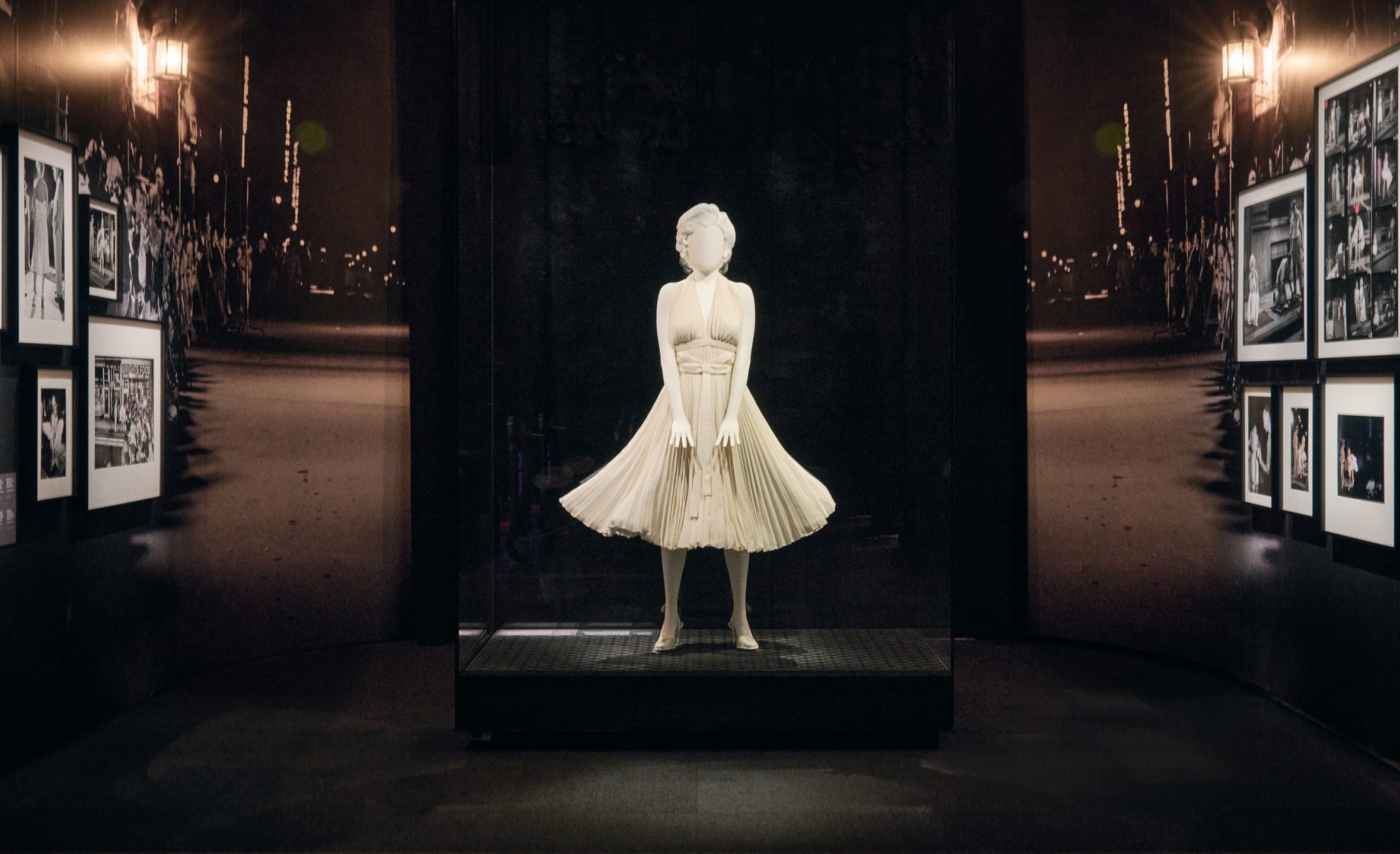
There are movie stars, and then there’s Marilyn Monroe. A century after her birth, the blonde bombshell is as relevant as ever: artwork and photographs bearing her image fetch record-breaking sums at auction, while modern-day ingenues such as Doja Cat and Sydney Sweeney—who were born decades after Monroe’s death in 1962—have emulated her looks to viral acclaim.
Still, few are privy to the private life of the woman who defined 20th-century pop culture as we know it. Despite countless portrayals of Monroe, whether in fiction or on film, the public knows little of her agency in shaping a persona that superseded celluloid.
The Academy Museum intends to rectify this with its forthcoming exhibition, “Marilyn Monroe: Hollywood Icon.” Opening May 31, the show coincides with the centenary of her birth on June 1, featuring over 200 objects ranging from personal documents and photographs to screen-worn clothing, some of which have rarely been displayed.
One of those artifacts is Monroe’s pink satin gown from Gentlemen Prefer Blondes, which one collector originally purchased from Fox for a paltry $12. It hadn’t been seen since the 1980s, until Bryan Johns, owner of the ICON Collection, tracked down the previous buyer, who eventually sold it to him for a premium.
“It looked very consistent with age, the construction. It’s a very rare silk called silk peau d’ange, which is kind of iridescent,” says Johns, who also authenticates collectibles. “It still had the Fox cleaning tag pinned inside.”
The unmistakable William Travilla design was a mere accident. Monroe, who was at the center of a nude photo scandal at the time, intended to wear a more body-conscious costume to perform “Diamond’s Are a Girl’s Best Friend,” though plans for this were scrapped once studio boss Darryl F. Zanuck caught wind of her Tom Kelley portrait session, demanding that she instead be covered up.
As Monroe’s career progressed, she became increasingly particular about her wardrobe, causing her to clash with Oscar-winning costume designer Orry-Kelly on the set of Some Like It Hot. The sheer black dress she wears at the end of the film, also included in the exhibit, initially had a flesh-colored leotard sewn into the lining. Monroe, assured in her status as a “sex goddess,” demanded that it be ripped out.
After all, “Marilyn” was just a character—to those closest to her, she was known by her birth name, Norma Jeane. Her scripts, exhibited by the Academy Museum, show that she frequently referred to herself in the third person.
“She’ll say, ‘Marilyn would not wear this,’ or ‘Marilyn would walk this way, and would say this, not that,’” Johns explains. Curator Sophia Serrano worked closely with Johns, as well as collectors Scott Fortner and Greg Schreiner, to put together the exhibition. “Marilyn was so heavily involved in all aspects of her stardom,” says Serrano. “Photographs allow us to talk about how she closely examined contact sheets to make selections; her collection of press clippings show how keenly aware of her publicity she was; and letters from her close collaborators detail how she was standing up to the studios.”
Monroe walked away from her Fox contract to launch her own production company, Marilyn Monroe Productions, becoming one of the first women to do so after Mary Pickford. “She truly desired to be taken seriously as an actor,” Serrano adds. Monroe sought to turn a page in her career when she starred in 1961’s The Misfits, which would be her last completed film. She hoped that stepping into a dramatic role would solidify her as a “real actress,” but it flopped at the box office.
“It was such a double-edged sword, this character that she created,” says Fortner, who himself has amassed an impressive collection of Monroe memorabilia. “She was so successful with it, but it also was a bit of a trap and something that she couldn’t escape.” Among Fortner’s loans are Monroe’s final Screen Actors Guild card, which is going on display for the very first time, along with the Hyer cowboy boots she wore in The Misfits.
“I think that her level of accomplishment in her short 36 years and across 30 films is monumental, considering the major impact that she’s had on pop culture,” Fortner says. She built her career from the ground up without a shred of generational wealth, passing through eleven different foster homes after her mother was institutionalized following a psychotic break. The cinema became Monroe’s escape, and she looked to stars like Jean Harlow and Marlene Dietrich as she blazed her own trail. Marilyn, little did they know, would outlast them both.
“There are very few people at that level of superstardom that have transcended beyond what they ever were when they were alive,” emphasizes Fortner. Long before Beyoncé called herself Sasha Fierce or David Bowie became Ziggy Stardust, Monroe served as the blueprint for celebrity alter-egos. “She represents overcoming tremendous adversity,” Johns says. “She built herself into an icon, and what that shows people, I think, is that we all have that ability.”
“Marilyn Monroe: Hollywood Icon” is on view May 31, 2026–February 28, 2027 at the Academy Museum of Motion Pictures in Los Angeles.
This article was originally published by Galerie Magazine.