
Bathsheba, from A Collection of Prints in Imitation of Drawings
<p>Publisher John Boydell sought to elevate the stature of British connoisseurship of art and to rival France in the production and trade of prints. This print by William Wynne Ryland is a copy of a drawing by François Boucher, now in the British Museum, that was once owned by well-known collector William Esdaile.<br>Ryland’s studies of crayon-manner engraving in Paris inspired him to develop a simplified version he called stipple engraving, in which a series of dots are punched into a metal plate with a sharp needle tool. Although stipple engraving did not catch on at this time, it gained popularity in the late 18th and early 19th centuries as a means to reproduce the varying tonalities of paintings.</p>
Catalogue
- Year
- 1764
- Dimensions
- Plate: 46 × 30.5 cm (18 1/8 × 12 1/16 in.); Sheet: 55.1 × 36.3 cm (21 3/4 × 14 5/16 in.)
- Collection
- Art Institute of Chicago
- Artist
- William Wynne Ryland
Artist

Printmaking
William Wynne Ryland (British, 1732-1783)
Full artist profile →More
More by William Wynne Ryland

Ophelia: "There's fennel for you, and columbines" (Shakespeare, Hamlet, Act 4, Scene 5)
1787 · Stipple engraving, printed in brown ink
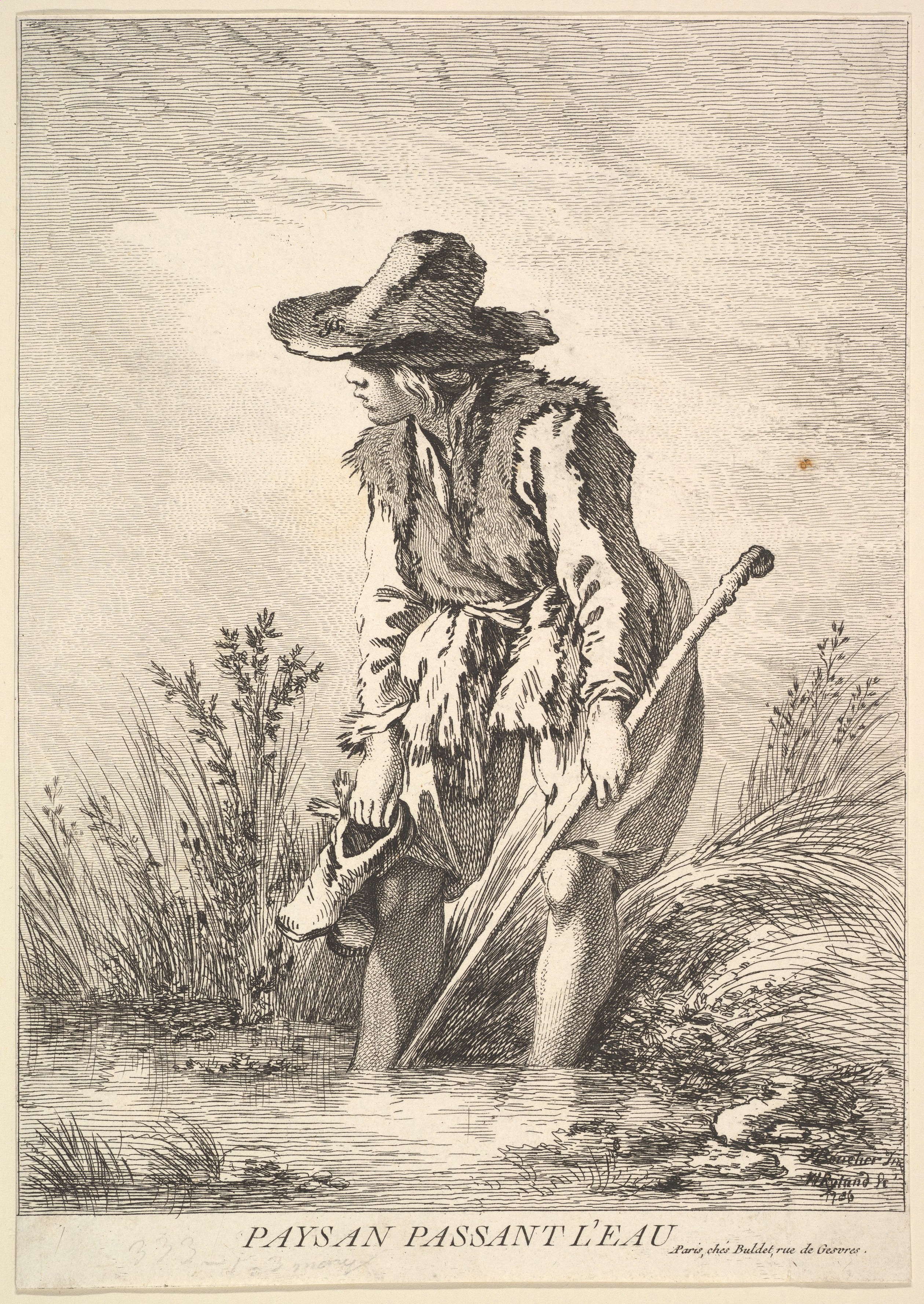
Peasant Crossing Water
1786 · Etching and engraving

The Grâces au Bain (The Graces at the Bath)
1756 · Etching and engraving, printed in red ink
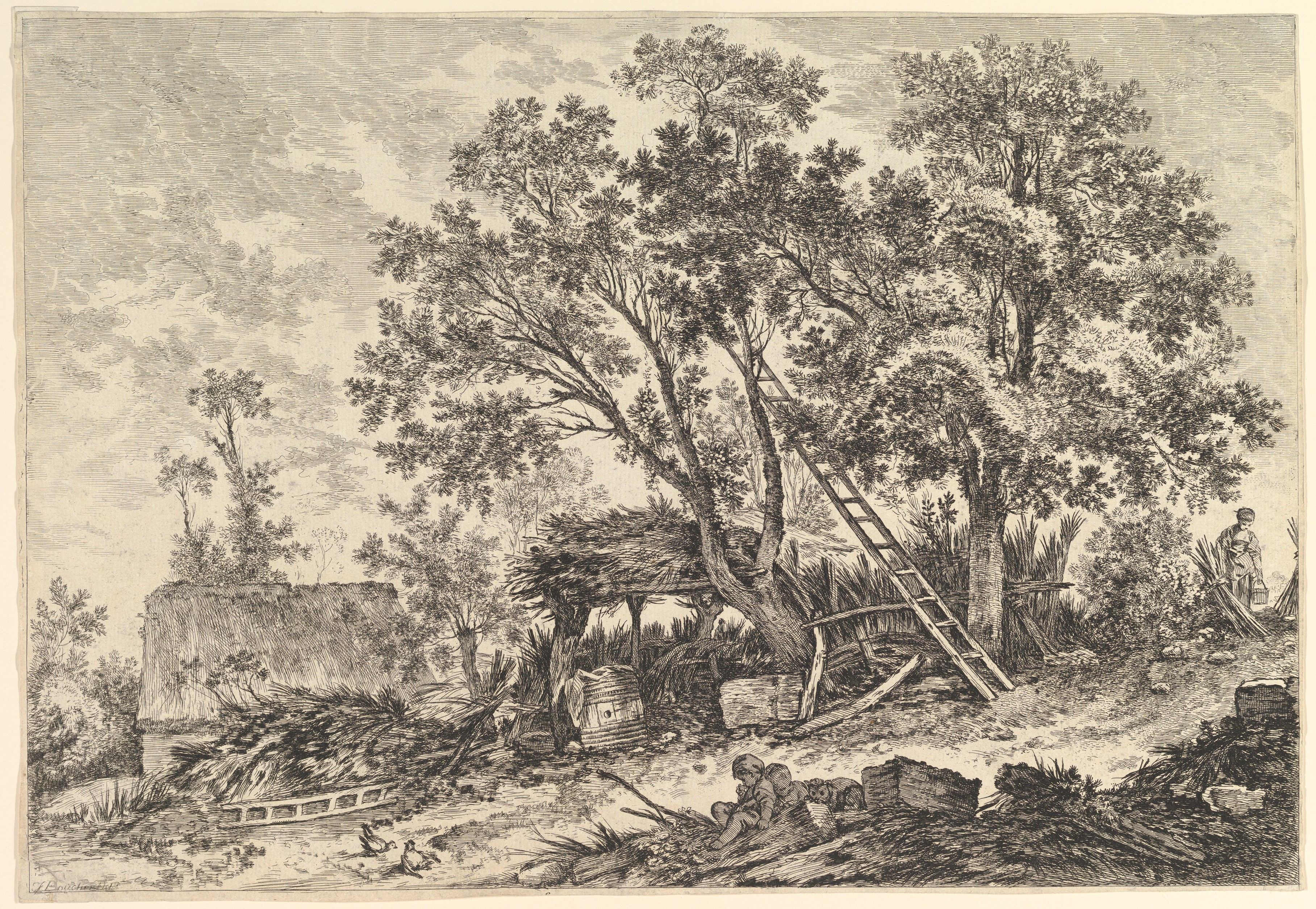
IIe: Vue de Fronville (Second View of Fronville)
1747 · Etching and engraving
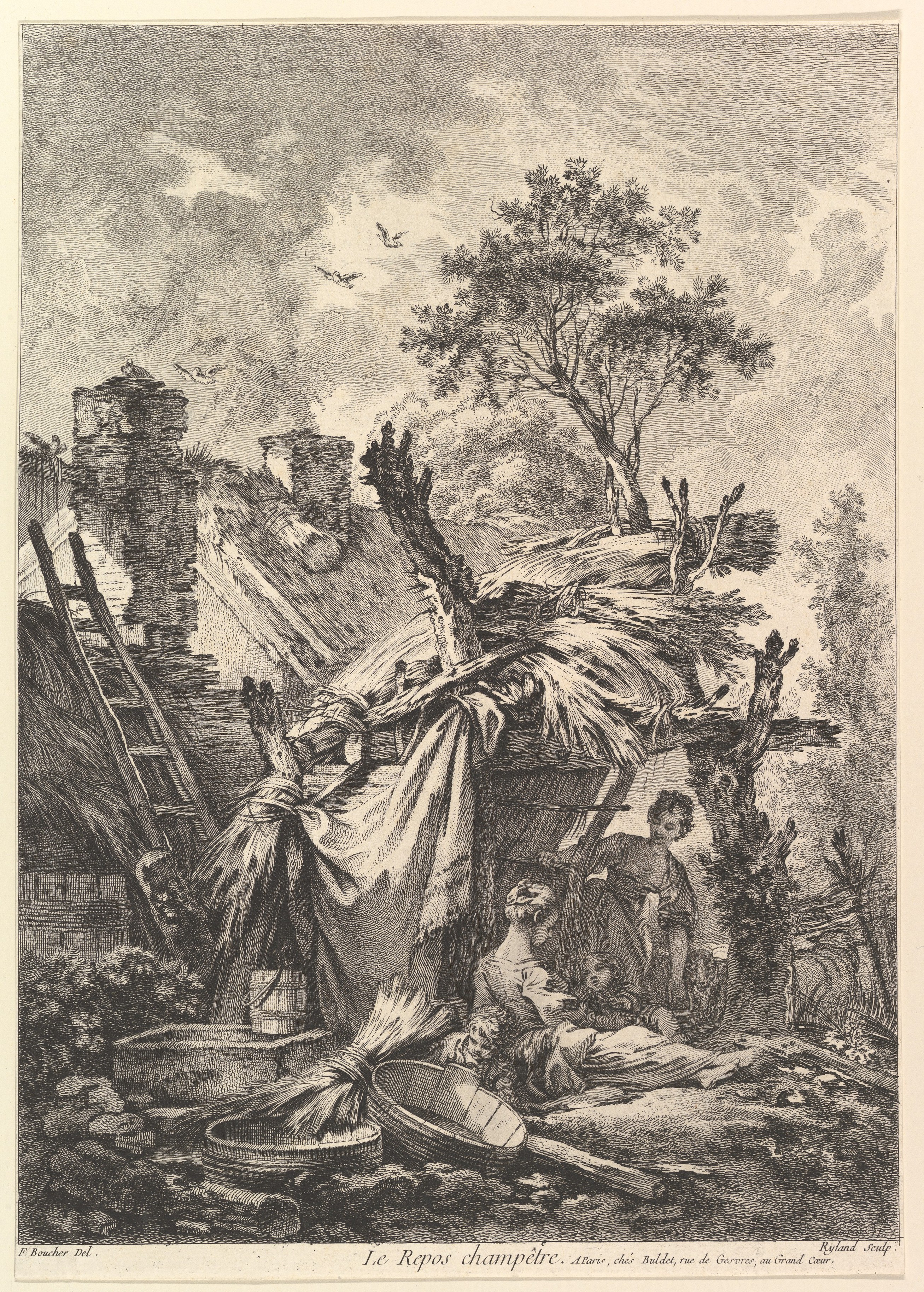
Rest in the Country
1732 · Etching and engraving
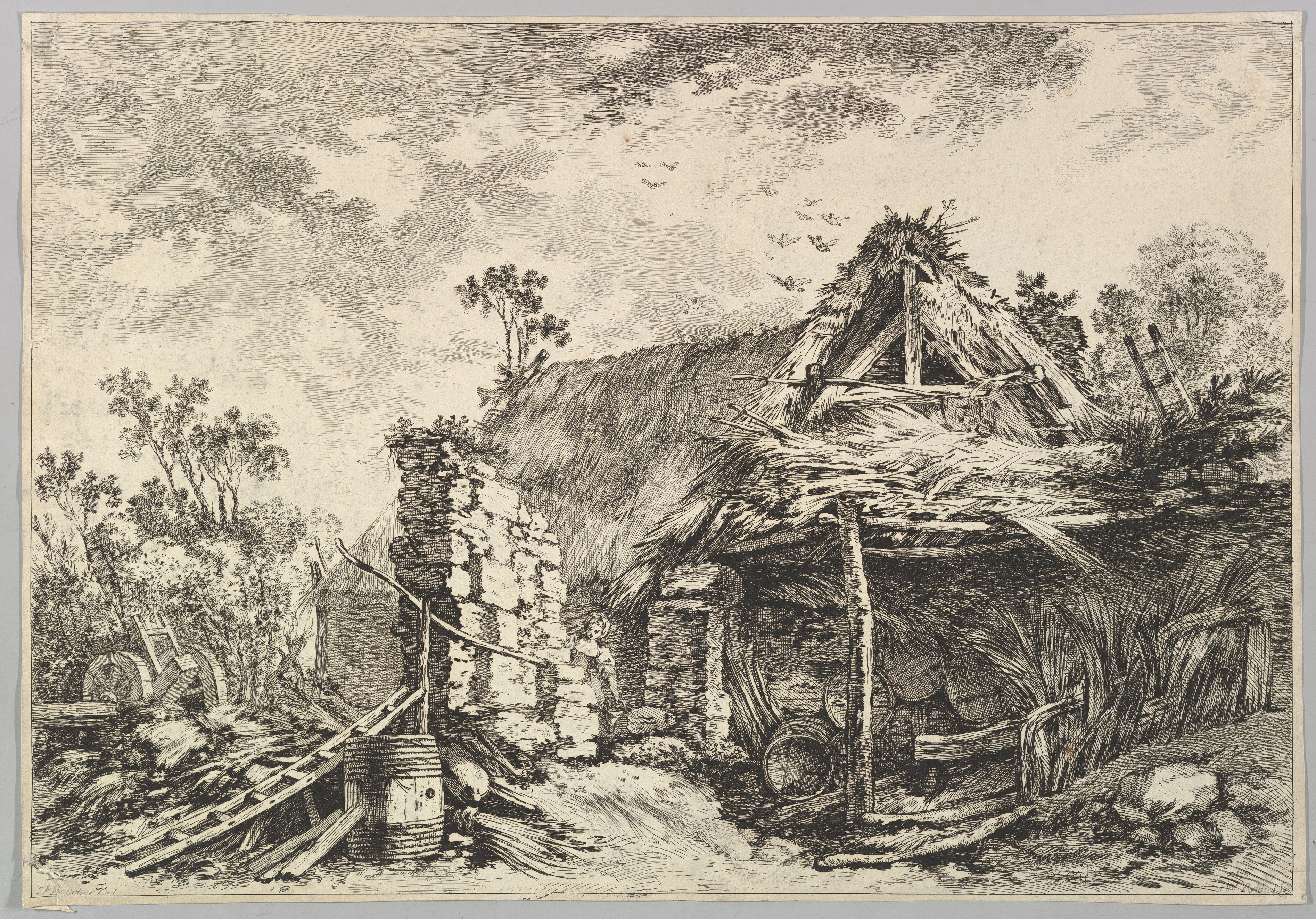
Woman Carrying a Bucket
1732 · Etching and engraving
Record
Verified by WattsOS- Artist
- William Wynne Ryland
- Year
- 1764
- Dimensions
- Plate: 46 × 30.5 cm (18 1/8 × 12 1/16 in.); Sheet: 55.1 × 36.3 cm (21 3/4 × 14 5/16 in.)
- Watts ID
- WW-1764-142517
Source
- Collection
- Art Institute of Chicago
- Source
- aic
- Reference
- View at source
- Status
- verified