
Tailpiece, or the Bathos
<p>William Hogarth was an English painter and engraver notorious for his biting political satire. He also discovered that artists could become independent of patronage by making engravings of their own paintings and selling them to the public. Hogarth created <em>The Bathos</em> toward the end of his life. It is considered one of the bleakest artworks of the 18th century because it depicts the Apocalypse without an afterlife. The Angel of Death even collapses in exhaustion after having destroyed the world. In his hand is an execution decree and around him lies a mass of broken objects.</p>
Catalogue
- Year
- 1764
- Dimensions
- Plate: 31.5 × 33.5 cm (12 7/16 × 13 1/4 in.); Sheet: 42.2 × 47.2 cm (16 5/8 × 18 5/8 in.)
- Collection
- Art Institute of Chicago
- Artist
- William Hogarth
Artist

Painting
William Hogarth was an English painter, engraver, satirist, cartoonist and writer. His work ranges from realistic portraiture to comic strip-like series of pictures called "modern moral subjects", and he is perhaps best known for his series A Harlot's Progress, A Rake's Progress and Marriage A-la-Mode. Familiarity with his work is so widespread that satirical political illustrations in this style are often referred to as "Hogarthian".
Full artist profile →More
More by William Hogarth
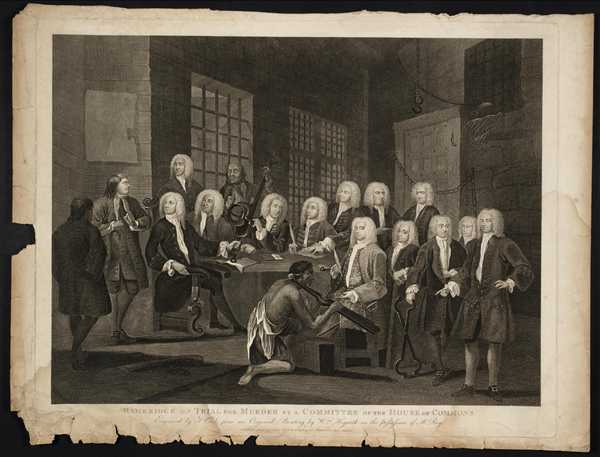
Bambridge on Trial for Murder by a Committee of the House of Commons, engraved by Thomas Cook
1803 · Engraving on paper
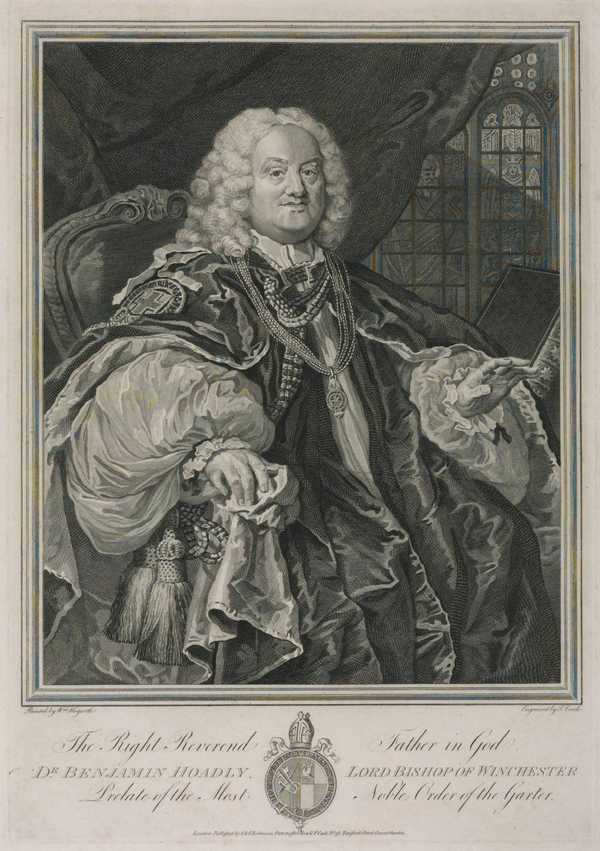
Dr Benjamin Hoadly, Bishop of Winchester, engraved by Thomas Cook
1800 · Engraving on paper
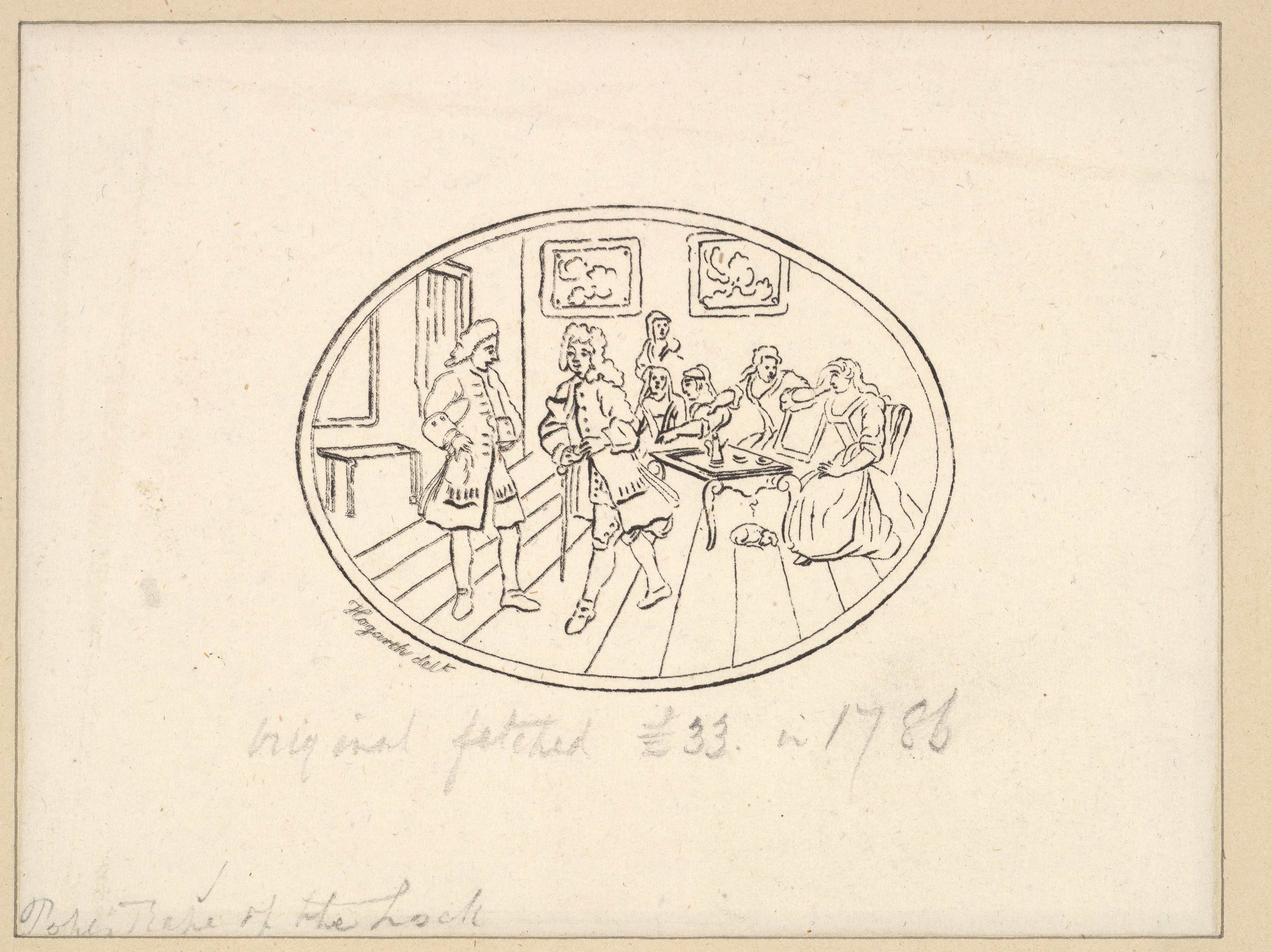
The Rape of the Lock
1800 · Lithographed copy of an engraving
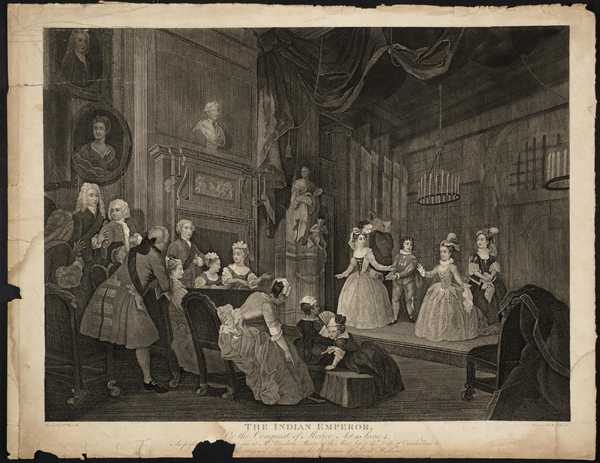
The Indian Emperor, engraved by Robert Dodd
1792 · Engraving on paper
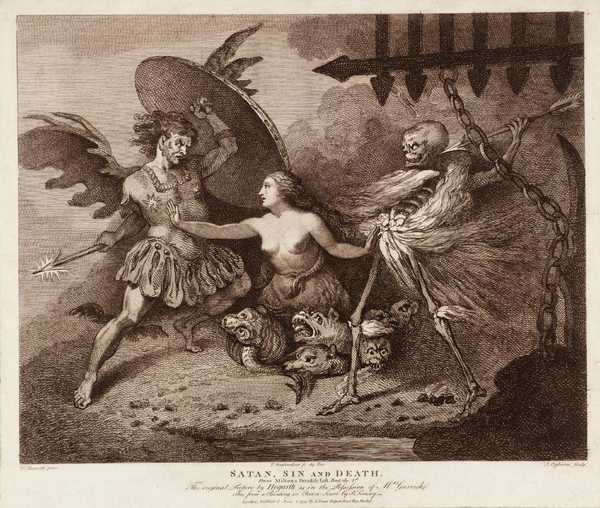
Satan, Sin and Death, engraved by Thomas Rowlandson and John Ogbourne after T00790
1792 · Etching and engraving on paper
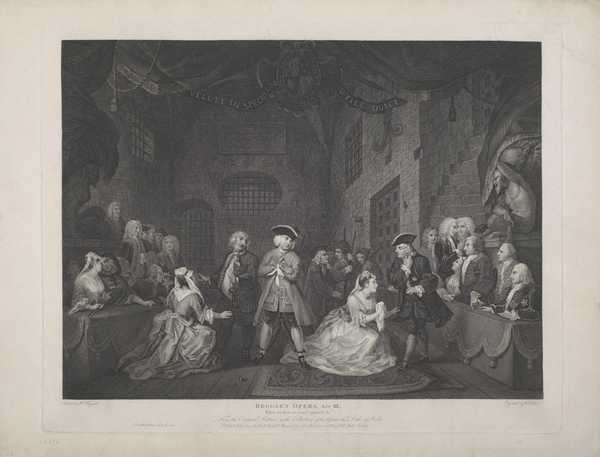
Beggar’s Opera, Act III, engraved by William Blake
1790 · Engraving on paper
Record
Verified by WattsOS- Artist
- William Hogarth
- Year
- 1764
- Dimensions
- Plate: 31.5 × 33.5 cm (12 7/16 × 13 1/4 in.); Sheet: 42.2 × 47.2 cm (16 5/8 × 18 5/8 in.)
- Watts ID
- WW-1764-088359
Source
- Collection
- Art Institute of Chicago
- Source
- aic
- Reference
- View at source
- Status
- verified