
The Hare Hunters
<p>This etching might represent two related proverbs popularized by the philosopher/writer Erasmus in the mid-1500s: “He who chases two hares catches neither” and “A hare yourself, you hunt for prey.” In compositional terms, the proverb served Pieter Bruegel the Elder as more of a pretext for the sweeping landscape scene that occupies most of the printed field.</p> <p>Bruegel’s inf luence on the early development of the landscape genre cannot be overestimated. He created important landscape drawings, but his impact spread even more forcefully through the medium of printmaking. This is the only etching he is believed to have executed himself.</p>
Catalogue
- Year
- 1566
- Dimensions
- Image: 21.5 × 29.2 cm (8 1/2 × 11 1/2 in.); Sheet: 24.6 × 31.8 cm (9 11/16 × 12 9/16 in.)
- Collection
- Art Institute of Chicago
Artist

Drawing
After Pieter Bruegel, the elder
Full artist profile →More
More by Pieter Bruegel, the elder

The Resurrection
1575 · Engraving in black on ivory laid paper
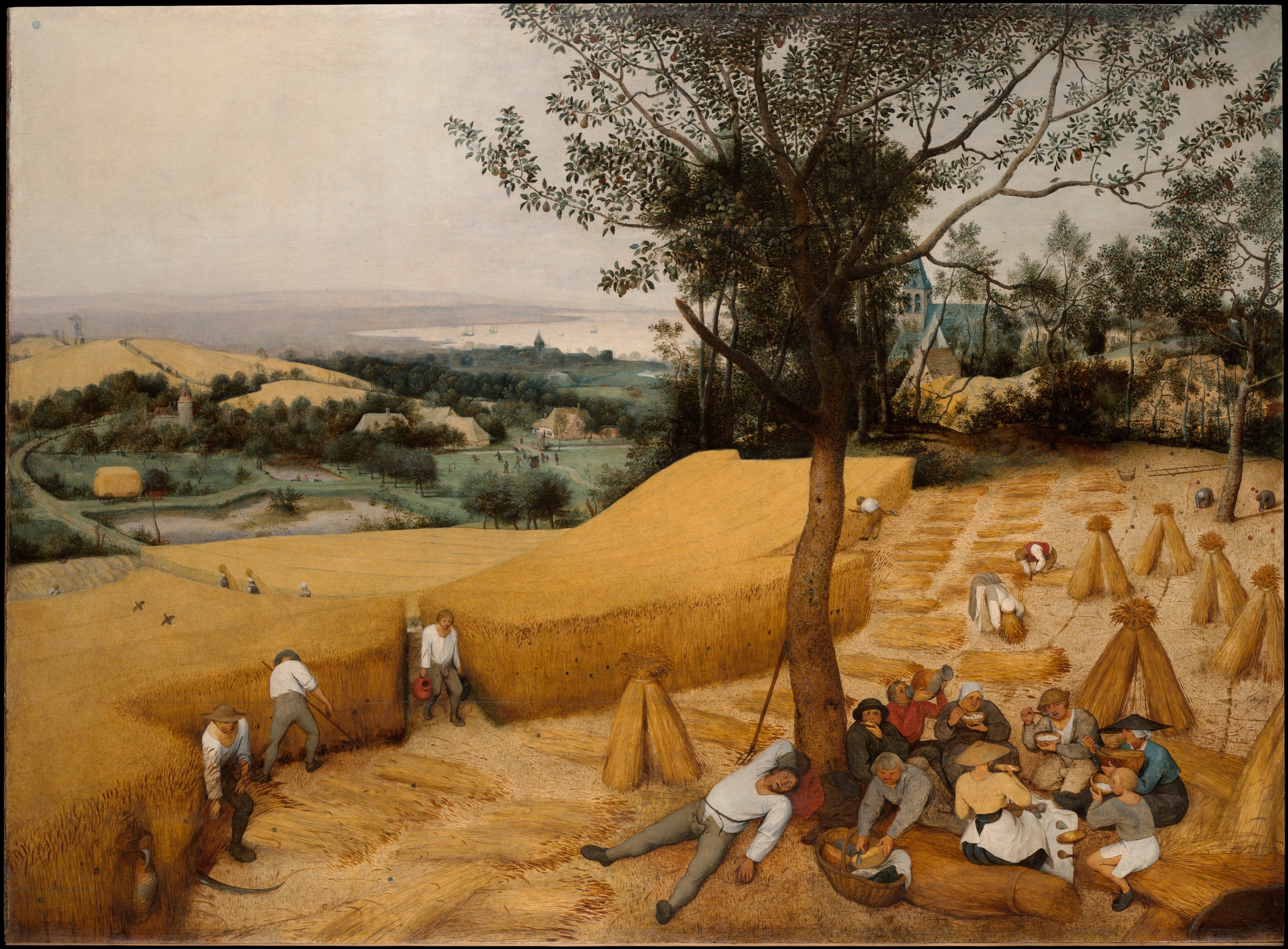
The Harvesters
1565 · Oil on wood
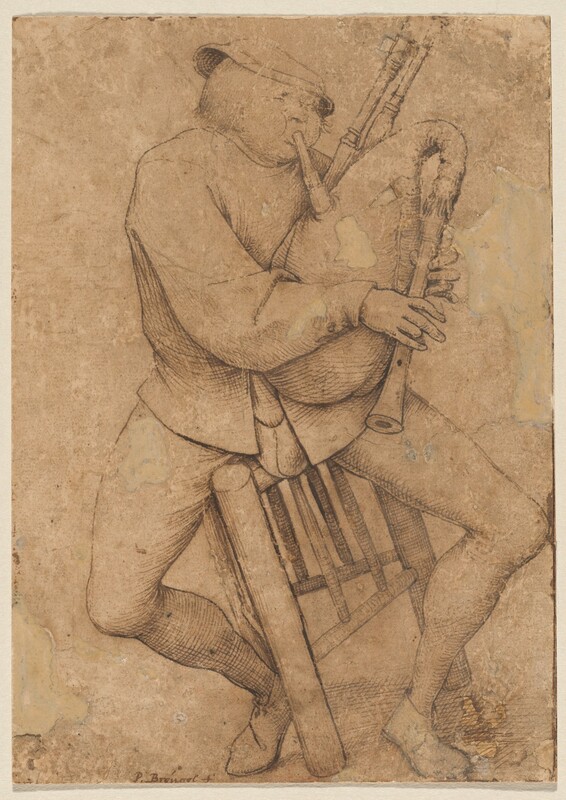
The Bagpipe Player
1562 · pen and brown ink, with some incised lines, on laid paper; laid down
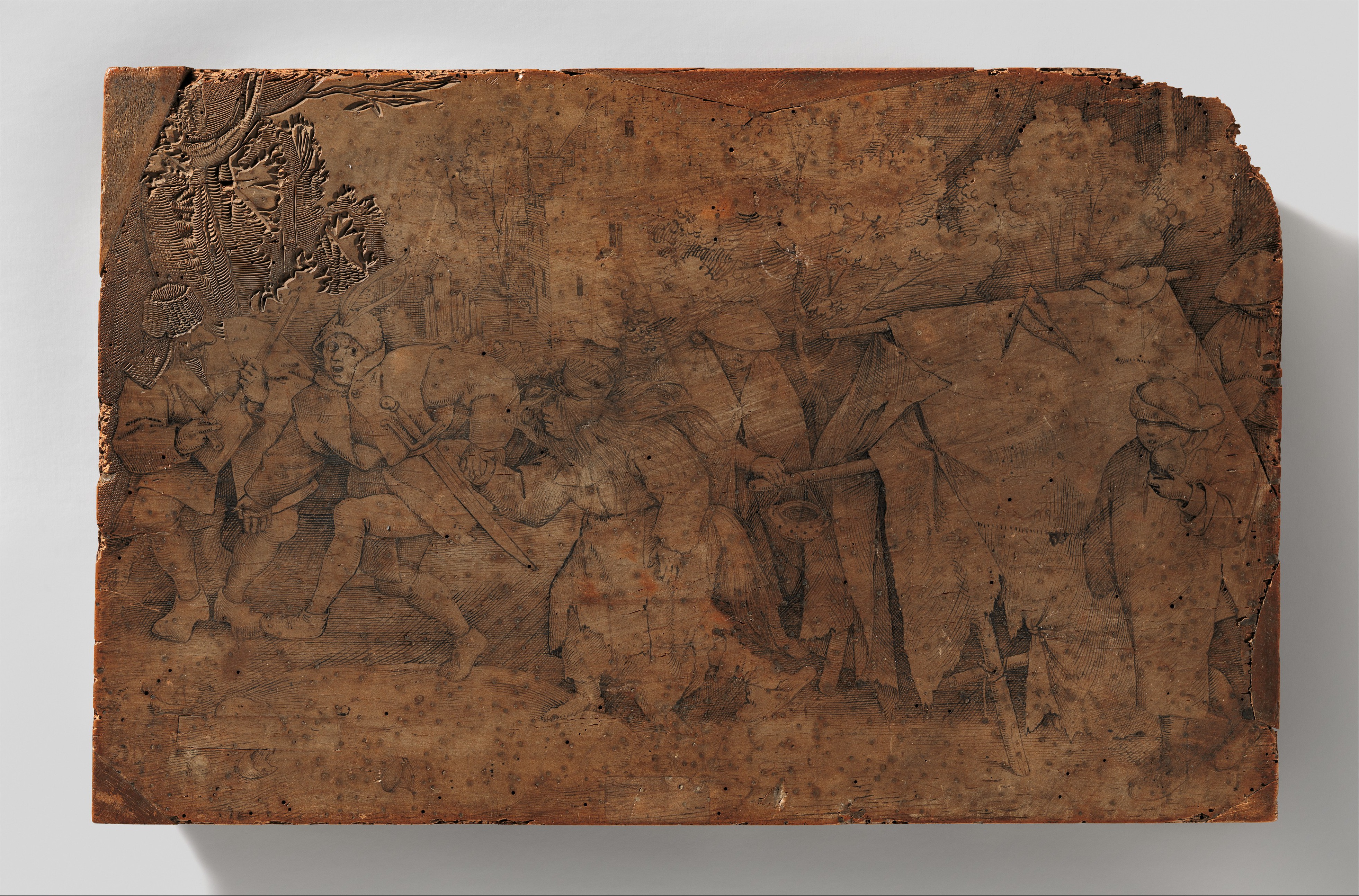
The Dirty Bride or The Wedding of Mopsus and Nisa
1561 · Pen and black-brown ink on white-prepared partially carved block of applewood

Four-master and Two Three-masters Anchored near a Fortified Island, from "The Sailing Vessels"
1561 · Engraving and etching; first state of three
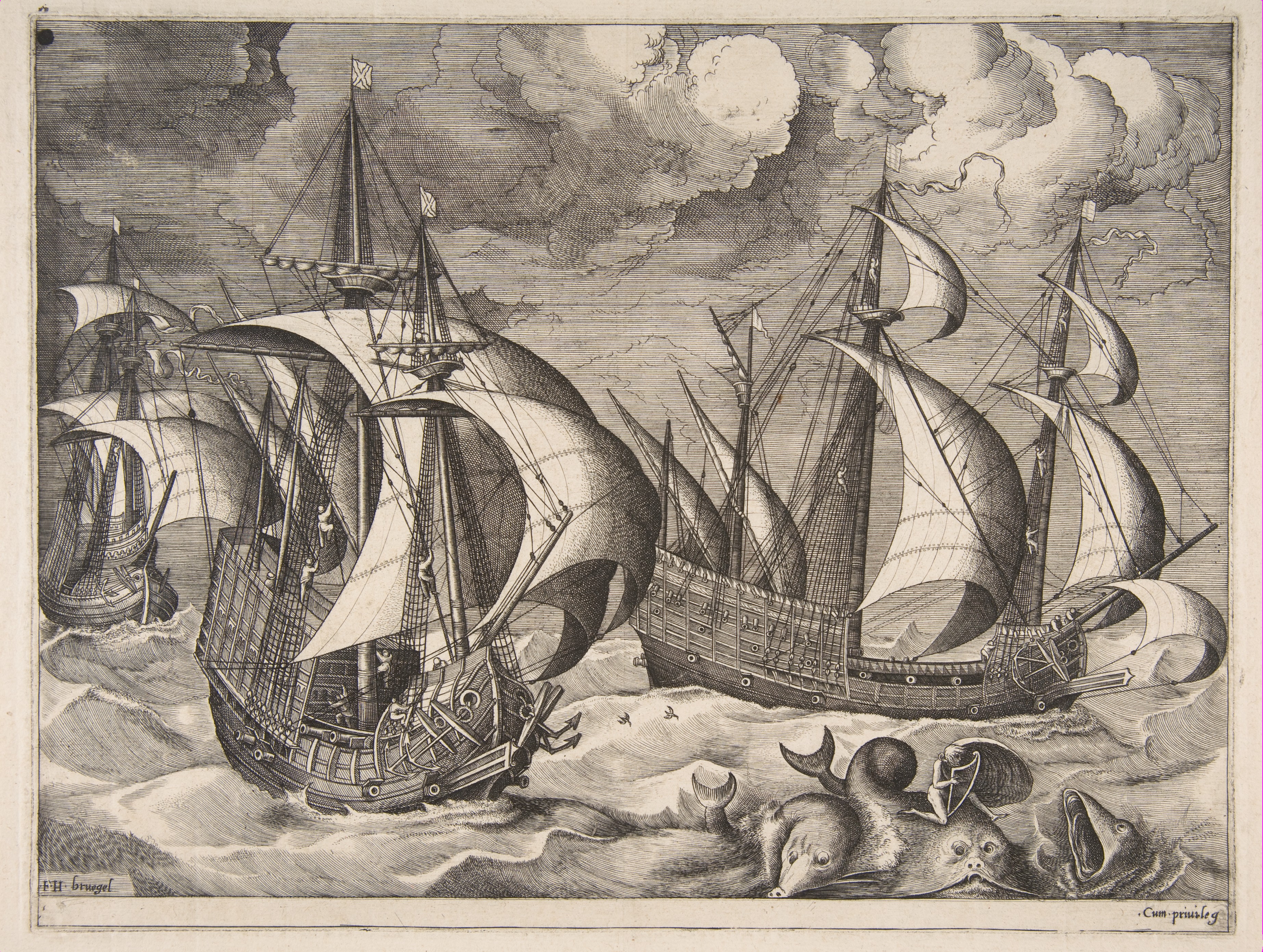
Three Caravels in a Rising Squall with Arion on a Dolphin from "The Sailing Vessels"
1561 · Engraving and etching; first state of six
Record
Verified by WattsOS- Year
- 1566
- Dimensions
- Image: 21.5 × 29.2 cm (8 1/2 × 11 1/2 in.); Sheet: 24.6 × 31.8 cm (9 11/16 × 12 9/16 in.)
- Watts ID
- WW-1566-029516
Source
- Collection
- Art Institute of Chicago
- Source
- aic
- Reference
- View at source
- Status
- verified